Dipankar Biswas

I am a Writer

Dipankar Biswas

Hello! I’m Dipankar Biswas, a passionate content writer with a background in law. My journey began with a law degree, which equipped me with a keen eye for detail and a strong foundation in research and analysis. Over the years, I’ve transitioned into freelancing, where I’ve honed my skills in content writing, web development, and legal assistance. My diverse experience allows me to create compelling and informative content across various domains. I have a particular interest in digital marketing and am currently working towards building a career in this dynamic field. Additionally, I am deeply committed to human rights and environmental litigation, and I strive to incorporate these values into my work. I am also in the process of creating a website dedicated to legal content and articles, aiming to provide valuable insights and resources to those interested in the legal field. When I’m not writing or developing websites, you can find me exploring new trends in digital marketing or advocating for human rights and environmental causes. Feel free to reach out if you’d like to collaborate or learn more about my work

  • house-175, Vill: Baghar, Post: Mahilara, Thana: Gournadi, Dist: Barisal, Bangladesh
  • +8801744427797
  • dipankarcurious844@gmail.com
  • https://dipankarcurious.blogspot.com/
Me

My Professional Skills

Apprentice Lawyer, Legal Assistance , Content Writing, Wordpress, Microsoft Office, Google Docs,SEO

Content Writer 90%
Wordpress Design 70%
SEO 95%
Microsoft Office 60%

Legal Help

As an apprentice lawyer at the Dhaka District and Session Judges Court, I offer dedicated legal assistance tailored to meet your needs. With a strong foundation in law and hands-on experience in the courtroom, I provide comprehensive support in various legal matters. My services include legal research, drafting documents, and offering guidance on human rights and environmental litigation. Whether you need help with case preparation or navigating complex legal issues, I am here to ensure you receive the best possible advice and representation.

Wordpress Designing

Transform your online presence with my professional WordPress website design services. With a keen eye for aesthetics and functionality, I create custom websites that are not only visually appealing but also user-friendly and responsive. Whether you need a personal blog, a business website, or an e-commerce platform, I tailor each design to meet your specific needs and goals. Leveraging my expertise in web development, I ensure your site is optimized for performance and search engines, providing a seamless experience for your visitors. Let’s work together to bring your vision to life and make your website stand out in the digital landscape.

SEO

Boost your online visibility and drive organic traffic with my expert SEO services. I specialize in optimizing websites to rank higher on search engines, ensuring your content reaches the right audience. From keyword research and on-page optimization to link building and performance tracking, I provide comprehensive SEO strategies tailored to your specific needs. My goal is to enhance your website’s search engine performance, improve user experience, and ultimately increase your online presence. Let’s work together to elevate your website’s ranking and achieve your digital marketing goals.

Microsoft Office

Streamline your data management with my professional MS Office services. I specialize in data entry, document formatting, and spreadsheet management using MS Word and MS Excel. Whether you need accurate data entry, detailed reports, or well-organized spreadsheets, I provide efficient and reliable solutions tailored to your requirements. My services ensure that your documents are precise, well-structured, and ready for any professional use. Let me handle your MS Office tasks so you can focus on what matters most to your business.

Content Writing

Stay ahead of the curve with my latest trending content writing services. I specialize in creating engaging, high-quality content that resonates with your target audience and keeps them coming back for more. From blog posts and articles to social media content and web copy, I craft compelling narratives that capture the latest trends and insights in your industry. My goal is to help you build a strong online presence, drive traffic, and boost engagement with content that stands out in the digital landscape. Let’s collaborate to make your content not just relevant, but trendsetting.

Legal Aid Services

As a dedicated apprentice lawyer at the Dhaka District and Session Judges Court, I offer comprehensive legal aid services to support individuals and communities in need. My services include legal consultation, document preparation, and representation in various legal matters. With a strong commitment to human rights and justice, I strive to provide accessible and effective legal assistance to those who may not have the means to afford it. Whether you need help with civil, criminal, or environmental cases, I am here to ensure you receive the guidance and support necessary to navigate the legal system..

0
completed project
0
design award
0
facebook like
0
current projects
  • Satyajit Ray – The Master Storyteller of World Cinema

    Satyajit Ray – The Master Storyteller of World Cinema

    Satyajit Ray – The Master Storyteller of World Cinema

    Introduction

    In the vast world of cinema, one name from India shines forever – Satyajit Ray. He was not just a filmmaker, but a visionary, writer, designer, and cultural icon. His films spoke the universal language of humanity and continue to inspire audiences worldwide.

    Early Life

    Born in 1921 in Kolkata, Ray came from a family of artists and writers. Though he lost his father at a very young age, the vibrant culture of Bengal nurtured his imagination. His love for art and literature shaped the storyteller he was destined to become.

    Career & Breakthrough

    Ray studied economics, but his heart belonged to creativity. At Shantiniketan, under the influence of Rabindranath Tagore’s ideals, he developed his artistic vision. Returning to Kolkata, he worked as a graphic designer before turning to cinema.

    In 1955, he made his debut with Pather Panchali. The film’s raw realism and deep humanity stunned the world, winning awards at Cannes and putting Indian cinema on the global map.

    Great Works & Recognition

    He followed it with the legendary Apu Trilogy and masterpieces like Charulata, Jalsaghar, and The Chess Players. His films portrayed ordinary lives with extraordinary sensitivity. Over four decades, Ray made 36 films, earning global honors – from Venice to Berlin, and finally, the Academy Award for Lifetime Achievement in 1992.

    Beyond Cinema

    Ray was a true renaissance man – an illustrator, a graphic designer, and a beloved writer. His detective Feluda and scientist Professor Shonku remain icons of Bengali literature.

    Conclusion

    Satyajit Ray passed away in 1992, but his legacy is eternal. As Akira Kurosawa once said, “Not to have seen the cinema of Ray means living without seeing the sun or the moon.”

    Satyajit Ray – the master storyteller of world cinema.

    Sources & Credits

    • Primary content based on documentary script and research notes.
    • Video link: Watch on YouTube
    • Reference: Interviews, articles, and film archives on Satyajit Ray.
  • Global Politics and Human Rights: A Hopeful Desire


     ·         What is the political concern over human rights throughout the world?
    ·         Are all states of the world sufficiently concerned about human rights?
    ·         How much implementation of human rights across the common law countries like Bangladesh and India?
     
    ·         What are the influences of world politics to ensure human rights across the world?  
    ·         What are the present roles of human rights activists and advocates to uphold the actual delivered human rights across the world?
    ·         What is the near future of human rights according to global politics?
    ·         What are the challenges for all human rights related authority to implementing major human rights across the whole world?


    Introduction:
     Political stances on human rights fluctuate greatly across the world, reflecting the various political environments and cultural backgrounds that exist in various places. These are a few major areas of worry. Human rights violations are frequently widespread in nations run by autocrats. These regimes may practice arbitrary arrests and detentions in addition to suppressing the freedoms of expression, assembly, and the press. Examples include how Uyghur’s are treated in China and how political repression occurs in nations like North Korea and Russia. The intricate and diverse political difficulties surrounding human rights necessitate a concerted international endeavor to tackle and alleviate these problems. Civil society, advocacy organizations, and international organizations are essential to the global monitoring and advancement of human rights.
    Global Concern:
    Not every state shows flawless care for human rights, despite efforts. Human rights concerns are frequently given varying degrees of attention and resources based on political, social, and economic considerations. While some states place a high priority on them and pass laws and policies to safeguard their inhabitants, others are unable to do so, frequently as a result of political unrest, corruption, or divergent moral standards.
     Although it's a difficult and continuous battle, the international community is still working to promote higher standards and practices. Human rights are not always implemented equally in common law nations like Bangladesh and India. Human rights are recognized and safeguarded by the legal systems of both nations, yet these protections are not always effective.


    Bangladesh has made progress towards upholding human rights, especially in areas like education and gender equality. Nonetheless, there are still difficulties, such as those pertaining to the rights of assembly, speech, and minority treatment. The nation has come under fire for how it handles political opposition and for limiting civil liberties through restrictive legislation. Human rights are upheld by a strong legal system in India, yet enforcement of the law is inconsistent. Concerns including gender-based violence, caste-based discrimination, and the rights of marginalized communities are persistent issues.
    Political and Institutional Concern:
    Through agreements, treaties, and oversight procedures, institutions such as the European Union (EU) and the United Nations (UN) seek to advance and defend human rights. They offer forums for discussion, promotion, and upholding human rights laws. Nations frequently employ economic sanctions and diplomatic pressure to persuade other countries to respect human rights. For instance, in order to promote reforms, penalties may be placed on nations having a history of violating human rights. Global guidelines for the protection of human rights are established by international human rights law, such as the Universal Declaration of Human Rights.
     It is recommended that states include these requirements in national laws and policies. Advocacy groups and non-governmental organizations (NGOs) are essential in bringing attention to human rights violations, advocating for legislative reforms, and offering assistance to those who are affected by them. Their efforts frequently result in notable advancements in the defense of human rights.
    Human Rights Challenges:
     To address particular human rights challenges, nations and organizations join together to form coalitions and alliances. These collaborations have the potential to increase their impact and result in concerted efforts to defend human rights. Governments are subject to pressure from the public and media to address human rights issues. Public indignation and calls for action might result from international media coverage of violations of human rights. Trade and economic ties may also have an impact on human rights. Nations can use their economic might to advance human rights by attaching human rights clauses to trade agreements.
    Concern from Human Rights Authority:
    Human rights are frequently violated in nations that are plagued by political unrest, armed conflict, or authoritarian governments. These conditions may give rise to pervasive violations of human rights, such as discrimination, repression, and acts of violence. The realization of human rights may be impeded by economic inequities. Poverty and a lack of resources can make it more difficult to exercise fundamental rights like shelter, healthcare, and education, which exacerbates social inequality. Universal human rights standards can occasionally clash with cultural and societal conventions. Enforcing human rights standards can be difficult when practices like female genital mutilation, child marriage, and discrimination against marginalized groups are strongly ingrained in culture. Human rights protection may be hampered by inadequate institutions and legal frameworks. Efforts to protect human rights and give victims justice can be hampered by corruption, a lack of accountability, and ineffective legal systems.
     
    The application of human rights can be impacted by the sway of strong international organizations and governments. Human rights considerations may occasionally be subordinated to political and economic goals, which can result in uneven implementation of the law and inconsistent responses to abuses. The application of human rights might be hampered by a lack of knowledge and instruction about them. The success of human rights activities may be limited by the fact that many people may not be aware of their rights or how to campaign for them.
     
    Opposed Human Rights:
    Human rights are frequently opposed by a variety of entities, such as governments, religious organizations, and cultural establishments. Propaganda, restricted legislation, and societal pressure to adhere to established norms are some examples of this pushback. A multidimensional strategy is needed to address these issues, one that includes bolstering legal frameworks, encouraging awareness and education campaigns, and cultivating international cooperation. To guarantee the defense and advancement of human rights across the globe, civil society, international organizations, and the international community must consistently advocate for and apply pressure on behalf of these rights.
     
    Role of Human Rights Activist:
    Advocates and activists put up endless effort to increase public awareness of human rights concerns on a local and international level. They draw attention to wrongdoings and enlighten the public through a variety of channels, such as social media, media campaigns, and open demonstrations.
     
    Legal Aid Concern:
     Victims of violations of human rights can receive legal aid from a number of human rights organizations. They provide assistance to those whose rights have been infringed in navigating the legal system, making complaints, and pursuing justice.
     In order to persuade governments and international organizations to embrace and uphold human rights standards, advocates engage in policy advocacy. They advocate for alterations to laws and regulations that safeguard human rights and make those in charge responsible for any transgressions.
     
    Surveillance of International Organization:
    Human rights organizations frequently offer direct assistance to people and communities who have been subjected to violations of human rights. This can involve providing medical care, psychological support, and humanitarian relief to those who have been the victims of violence or persecution. Advocates and activists keep an eye on human rights situations and notify the public and international bodies of any infractions. To hold offenders accountable and promote change, they compile reports, carry out investigations, and take pictures of violations. Working together is essential in the human rights movement. To bolster their efforts and present a unified front against violations of human rights, activists and advocates form partnerships with other groups, governments, and communities.
     
    Emphasized Attempt:
    One of the most important aspects of human rights work is empowering marginalized populations to advocate for their own rights. Activists assist communities in organizing and defending their rights by offering guidance, materials, and encouragement. Human rights defenders carry on with their work despite legal restrictions and official backlash, frequently at great personal risk. Under the presence of security, they oppose emergency legislation and other policies that violate human rights.
     In the struggle for justice and equality, human rights activists and advocates play a variety of vital roles. Even in the face of formidable obstacles, their efforts help create a world that is more equitable and compassionate.
     
    Near Probable Future of Human Rights:
    In the framework of international politics, the following major developments and challenges will shape human rights in the near future:
     The conventional Western-centric view of human rights is under threat as the balance of political and economic power in the world changes, especially with the rise of nations like China and India. This can result in revised applications and interpretations of human rights laws.
     Digital Helping Hand:
    Technological developments, such as artificial intelligence and digital surveillance, provide human rights both potential and risks. Although technology can improve accountability and openness, it also raises privacy concerns and the possibility of exploitation by authoritarian regimes.
     
    Climate Changes Disturbances:

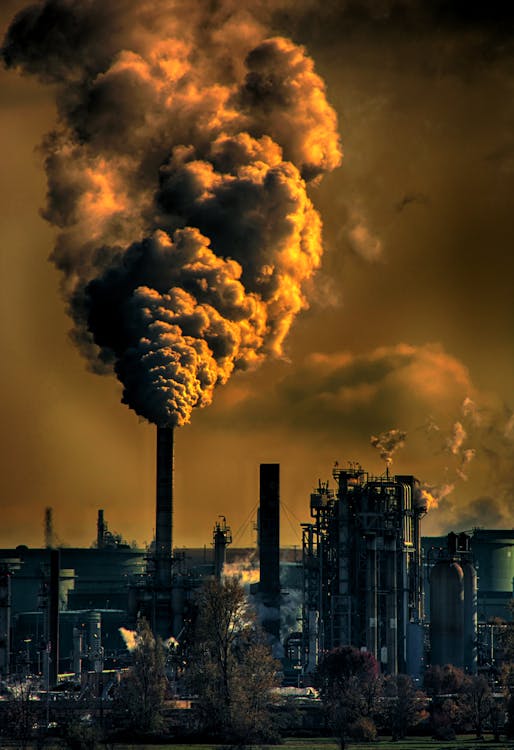
    As vulnerable communities are disproportionately affected by the effects of climate change, this issue is becoming more widely acknowledged as one of human rights. Human rights will probably change in the future as a result of the global response to climate change, highlighting the importance of environmental justice.
     
    Political Threaten over Human Rights:  

     Human rights are under threat due to the growth of nationalist and populist movements in many nations. These groups frequently put national sovereignty ahead of international commitments to uphold human rights, which could result in a reduction of rights protections.
     There are indications of hope in spite of these obstacles. Human rights activists, NGOs, and international organizations are still pushing for more accountability and robust safeguards. In order to remedy violations of human rights and advance justice, cooperative efforts and international campaigning are still essential.
     

    Concluding Remark:

    Although Human Rights throughout the world are at risk, the national and International Human Rights Organizations and Activists are more alert than before to uphold the challenges before political framework so that world politics must think about best practices of Human Rights all over the world. 

  • Climate Change And Human Rights

  •  


  • ALL MY OLD PICS


  • Climate Change's Effect on Human Rights


    Introduction:

    One of the most important challenges of our day is climate change, which has far-reaching effects that go beyond environmental deterioration. It seriously jeopardizes the fundamental rights to food, water, shelter, health care, and a decent standard of living. This essay examines the complex relationship between human rights and climate change, emphasizing the pressing necessity for a rights-based strategy in climate action.


    The Life and Health Rights:


    The most fundamental of all human rights is the right to life, which is directly threatened by climate change. Climate change has increased the frequency and severity of extreme weather events including hurricanes, floods, and heatwaves, which has resulted in fatalities and injuries. For example, the increased power of hurricanes has had disastrous effects on communities, killing people and uprooting them.

    Furthermore, health problems are made worse by climate change. Dengue fever and malaria are two examples of vector-borne illnesses that are spreading as a result of rising temperatures. Additionally, respiratory issues and cardiovascular disorders are brought on by air pollution, which is strongly associated with climate change. Children, the elderly, and people with pre-existing medical disorders are among the vulnerable groups that are most vulnerable.


    The entitlement to sustenance and potable water:

    Significant effects of climate change are seen in the rights to food and water, which are necessities for existence and wellbeing. Food insecurity is a result of changes in precipitation and temperature that impact agricultural productivity. Food shortages and price hikes result from crop yield disruptions caused by floods and droughts. Due to their reliance on dependable weather patterns, small-scale farmers are particularly susceptible to these shifts.


    Another serious problem made worse by climate change is water scarcity. Freshwater supplies are less available due to glacier melting, decreased snowpack, and changed rainfall patterns. In addition to affecting drinking water, this shortage also impacts water used for sanitation and agriculture, which fuels disputes over water supplies and jeopardizes food security. 


    The entitlement to a place to live and work:

    Climate change jeopardizes the right to adequate housing by displacing communities and destroying homes. People are forced to evacuate as a result of rising sea levels and coastal erosion endangering low-lying islands and coastal districts. Because of the uprooting of communities that depend on tourism, fishing, and agriculture, this relocation frequently results in the loss of livelihoods6.


    Millions of people are being compelled to migrate due to climate change, forcing them from their homes. This phenomenon is becoming more and more widespread. Many obstacles must be overcome by these climate refugees, such as discrimination, a lack of legal protection, and trouble obtaining essential services. Their situation is made worse by the loss of their communal connections and cultural heritage. 


    Entitled to a Salubrious Environment:

    There is an innate connection between other human rights and the right to a healthy environment. Individuals' and communities' well-being, health, and quality of life are all impacted by a deteriorating environment. Climate change-related pollution, deforestation, and biodiversity loss threaten ecosystems' capacity to supply basic services like clean water, air, and rich soil.


    Environmental deterioration disproportionately affects indigenous peoples. Because of the intimate ties between their traditional knowledge and way of life and the natural world, climate change poses a threat to their cultural existence. Encouraging sustainable environmental practices and safeguarding biodiversity need the protection of indigenous peoples' rights. 


    The Importance of a Rights-Based Perspective:

    In order to address how climate change affects human rights, a thorough and rights-based strategy is needed. Human rights and environmental conservation are intertwined, and governments and international organizations need to acknowledge this. The protection of vulnerable groups and ensuring their involvement in decision-making processes should be given top priority in policies and efforts to address climate change.


    Integrating human rights concepts like accountability, participation, and non-discrimination into climate legislation is a key component of a rights-based strategy to climate action. This strategy guarantees that the benefits of climate adaptation and mitigation are spread fairly and that climate measures do not worsen already-existing inequities. 


    Concluding remark:

    Climate change is a human rights challenge as well as an environmental one. The fundamental rights to life, health, food, water, shelter, and a clean environment are under risk due to the effects of climate change. At the municipal, national, and international levels, swift and concerted action is needed to address these issues. By implementing a rights-based strategy in our fight against climate change, we can save human rights and create a more just and sustainable future for all. 


  • The Evolution and Impact of Artificial Intelligence


    Artificial Intelligence (AI) has emerged as one of the most transformative technologies of the 21st century. Defined as the simulation of human intelligence in machines, AI encompasses a range of capabilities, including learning, reasoning, problem-solving, perception, and language understanding. This essay explores the evolution, applications, and implications of AI in modern society.

    Evolution of AI

    The concept of AI dates back to ancient myths and stories of artificial beings endowed with intelligence. However, the formal study of AI began in the mid-20th century with pioneers like Alan Turing, who proposed the idea of a machine that could simulate any human intelligence. The development of AI has since gone through several phases, from the early symbolic AI, which focused on rule-based systems, to the current era of machine learning and deep learning, where algorithms can learn from vast amounts of data.
    Applications of AI
    AI has found applications in numerous fields, revolutionizing industries and enhancing human capabilities. In healthcare, AI systems assist in diagnosing diseases, personalizing treatment plans, and even performing surgeries with precision. In the business sector, AI-driven analytics help companies make data-driven decisions, optimize operations, and improve customer experiences through chatbots and recommendation systems. Autonomous vehicles, powered by AI, promise to transform transportation by reducing accidents and improving traffic management.

    Ethical and Social Implications

    While AI offers immense benefits, it also raises significant ethical and social concerns. One major issue is the impact of AI on employment. Automation and AI-driven systems can lead to job displacement, particularly in industries reliant on routine tasks. This necessitates a rethinking of workforce development and education to prepare individuals for AI-augmented roles. Additionally, AI systems can perpetuate biases present in their training data, leading to unfair outcomes in areas like hiring and law enforcement. Ensuring transparency, accountability, and fairness in AI systems is crucial to mitigate these risks.

    The Future of AI

    The future of AI holds both exciting possibilities and daunting challenges. Advances in AI could lead to breakthroughs in areas like climate modeling, drug discovery, and personalized education. However, the development of superintelligent AI—machines that surpass human intelligence—poses existential risks that require careful consideration and regulation. Collaborative efforts between governments, industry, and academia are essential to harness AI’s potential while safeguarding against its dangers.

    Conclusion

     AI is a powerful tool that has the potential to significantly improve our lives. However, it is imperative to address the ethical and social challenges it presents to ensure that AI benefits all of humanity. As we continue to innovate and integrate AI into various aspects of our lives, a balanced approach that prioritizes both technological advancement and human values will be key to a sustainable and equitable future.

    Bibliography:
  • GET A FREE QUOTE NOW

    "If you want to shine like the sun, first burn like the sun."

    ADDRESS

    House_175, Vill: Baghar, Post: mahilara, Thana: Gournadi; Dit: Barisal ,Post code: 8232

    EMAIL

    dipankarcurious844@gmail.com
    techbdcurious@gmail.com

    Mobile Number

    +8801744427797,
    +8801887516795

    MOBILE

    01744427797
    01887516795