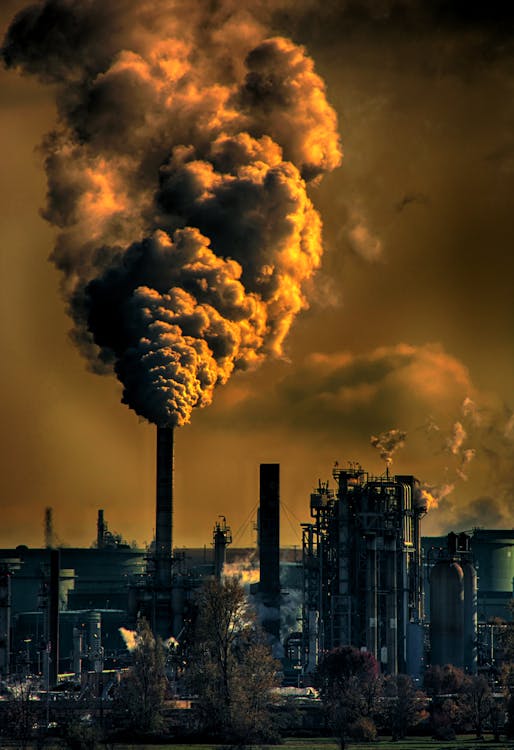
Introduction:
One of the most important challenges of our day is climate change, which has far-reaching effects that go beyond environmental deterioration. It seriously jeopardizes the fundamental rights to food, water, shelter, health care, and a decent standard of living. This essay examines the complex relationship between human rights and climate change, emphasizing the pressing necessity for a rights-based strategy in climate action.
The Life and Health Rights:
The most fundamental of all human rights is the right to life, which is directly threatened by climate change. Climate change has increased the frequency and severity of extreme weather events including hurricanes, floods, and heatwaves, which has resulted in fatalities and injuries. For example, the increased power of hurricanes has had disastrous effects on communities, killing people and uprooting them.
Furthermore, health problems are made worse by climate change. Dengue fever and malaria are two examples of vector-borne illnesses that are spreading as a result of rising temperatures. Additionally, respiratory issues and cardiovascular disorders are brought on by air pollution, which is strongly associated with climate change. Children, the elderly, and people with pre-existing medical disorders are among the vulnerable groups that are most vulnerable.
The entitlement to sustenance and potable water:
Significant effects of climate change are seen in the rights to food and water, which are necessities for existence and wellbeing. Food insecurity is a result of changes in precipitation and temperature that impact agricultural productivity. Food shortages and price hikes result from crop yield disruptions caused by floods and droughts. Due to their reliance on dependable weather patterns, small-scale farmers are particularly susceptible to these shifts.
Another serious problem made worse by climate change is water scarcity. Freshwater supplies are less available due to glacier melting, decreased snowpack, and changed rainfall patterns. In addition to affecting drinking water, this shortage also impacts water used for sanitation and agriculture, which fuels disputes over water supplies and jeopardizes food security.
The entitlement to a place to live and work:
Climate change jeopardizes the right to adequate housing by displacing communities and destroying homes. People are forced to evacuate as a result of rising sea levels and coastal erosion endangering low-lying islands and coastal districts. Because of the uprooting of communities that depend on tourism, fishing, and agriculture, this relocation frequently results in the loss of livelihoods6.
Millions of people are being compelled to migrate due to climate change, forcing them from their homes. This phenomenon is becoming more and more widespread. Many obstacles must be overcome by these climate refugees, such as discrimination, a lack of legal protection, and trouble obtaining essential services. Their situation is made worse by the loss of their communal connections and cultural heritage.
Entitled to a Salubrious Environment:
There is an innate connection between other human rights and the right to a healthy environment. Individuals' and communities' well-being, health, and quality of life are all impacted by a deteriorating environment. Climate change-related pollution, deforestation, and biodiversity loss threaten ecosystems' capacity to supply basic services like clean water, air, and rich soil.
Environmental deterioration disproportionately affects indigenous peoples. Because of the intimate ties between their traditional knowledge and way of life and the natural world, climate change poses a threat to their cultural existence. Encouraging sustainable environmental practices and safeguarding biodiversity need the protection of indigenous peoples' rights.
The Importance of a Rights-Based Perspective:
In order to address how climate change affects human rights, a thorough and rights-based strategy is needed. Human rights and environmental conservation are intertwined, and governments and international organizations need to acknowledge this. The protection of vulnerable groups and ensuring their involvement in decision-making processes should be given top priority in policies and efforts to address climate change.
Integrating human rights concepts like accountability, participation, and non-discrimination into climate legislation is a key component of a rights-based strategy to climate action. This strategy guarantees that the benefits of climate adaptation and mitigation are spread fairly and that climate measures do not worsen already-existing inequities.
Concluding remark:
Climate change is a human rights challenge as well as an environmental one. The fundamental rights to life, health, food, water, shelter, and a clean environment are under risk due to the effects of climate change. At the municipal, national, and international levels, swift and concerted action is needed to address these issues. By implementing a rights-based strategy in our fight against climate change, we can save human rights and create a more just and sustainable future for all.


0 comments:
Post a Comment